Disclosures Based on the TNFD Framework

The Takara Group positions the harmonization of its business activities with global environmental preservation as one of its key challenges, and is actively implementing initiatives toward these ends. Recognizing that the loss of natural capital, including biodiversity, is an important issue that has an impact on the sustainability of its business, the Group continues to assess and respond to risks and opportunities related to natural capital in accordance with the framework of the Taskforce on Nature-related Financial Disclosures (TNFD), while also disclosing relevant information and engaging its stakeholders in dialogue.
Governance
-
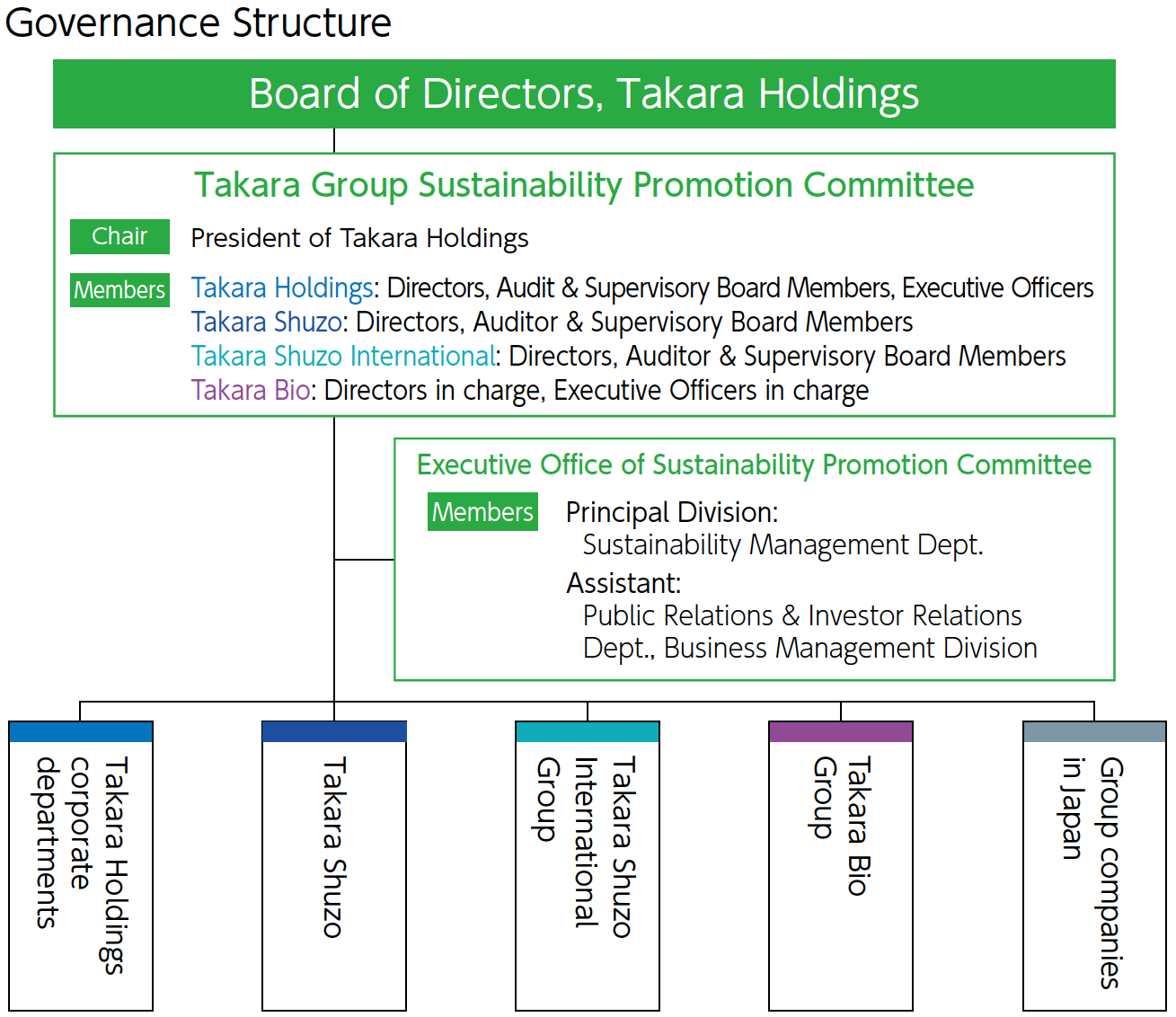
The Takara Group has established the Takara Group Sustainability Promotion Committee chaired by the Representative Director and President of Takara Holdings under the supervision of the Board of Directors to deliberate on matters such as assessing the risks and opportunities posed by the loss of natural capital—including biodiversity—on the Group’s business, formulating strategies, and setting targets. In addition, it has established the Executive Office of Sustainability Promotion Committee as a subordinate organization of the Takara Group Sustainability Promotion Committee to handle issues related to nature. Based on the decisions of the Takara Group Sustainability Promotion Committee, the Executive Office of Sustainability Promotion Committee plans and implements specific activities for each company in the Group. The Takara Group recognizes the impacts it may have on the human rights of various stakeholders, including not only its employees but also business partners, customers, and local communities. In order to respect the human rights of all stakeholders, the Group has established the Takara Group Human Rights Policy and developed a human rights due diligence process in accordance with the Guiding Principles on Business and Human Rights of the United Nations. The Takara Group Sustainability Promotion Committee reports on sustainability initiatives including these nature- related issues to the Board of Directors.
-
Management of Risks and Their Impacts
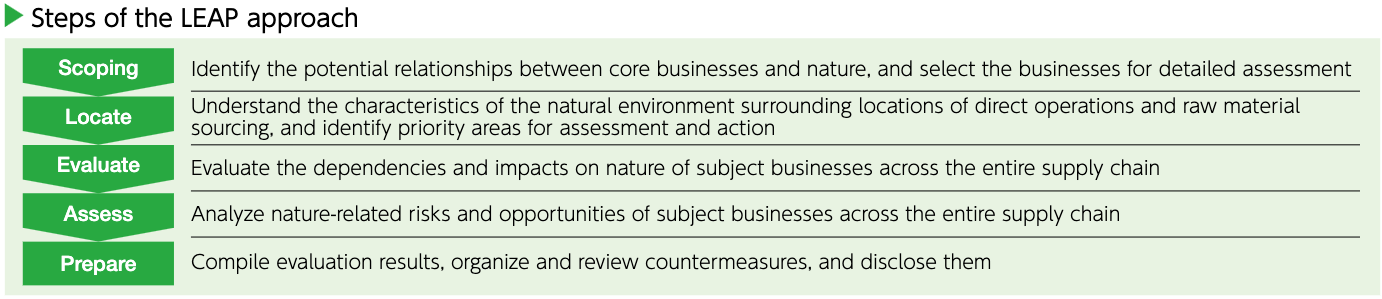
The Takara Group identified risks and opportunities for Takara Shuzo Co., Ltd. and Takara Shuzo International Co., Ltd. (Overseas Alcoholic Beverages Business, Japanese Food Wholesale Business in overseas markets).*1 During the identification process, we assessed transition risks and physical risks in accordance with the LEAP approach recommended by the TNFD. During the assessments, we identified risks and opportunities that are projected to have a significant impact across short-, medium-, and long-term time frames, taking into account the probability and scale of such impacts. The Takara Group Sustainability Promotion Committee reports to the Board of Directors on the details of identified risks and opportunities and the countermeasures.

Analysis Based on Strategy and the LEAP Approach
The Takara Group analyzed the relationship between the businesses of subject companies and nature (dependencies, impacts, risks, and opportunities). It carried out its analyses in accordance with the steps of the LEAP approach.
Scoping
Using the TNFD-recommended tool (ENCORE) and other reference materials, we identified the connections between our businesses and nature and selected businesses for detailed assessment.
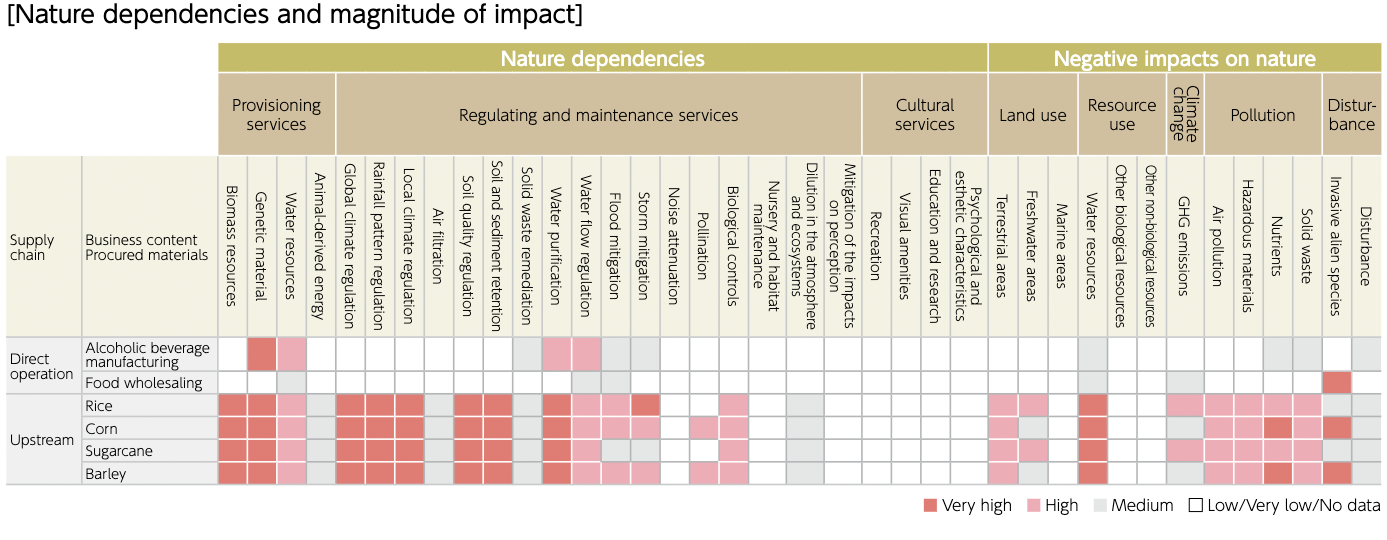
In direct operations, we found that alcoholic beverage manufacturing has a greater dependence on and impact on key aspects of nature, such as water resource use, compared to food wholesaling. We also discovered that the production of agricultural crops in the upstream part of the supply chain—regardless of the type of crop—is heavily dependent on nature and has a significant impact on it. Among these, the Company procures significant quantities of rice, which is not only a critical ingredient in sake brewing but is also considered an essential element of Japan’s agricultural ecosystem due to its cultivation in paddy fields. Given the above, we identified alcoholic beverage manufacturing as the subject of evaluation for direct operations, and rice production—which is closely tied to nature and serves as a key ingredient for the Takara Group’s value proposition of “ Washu and Japanese foods as a part of everyday global cuisine”—as the subject of evaluation for the upstream part of the supply chain.
Locate
Alcoholic Beverage Manufacturing (Direct Operation)
Characteristics of the natural environment in the location of the direct operation site
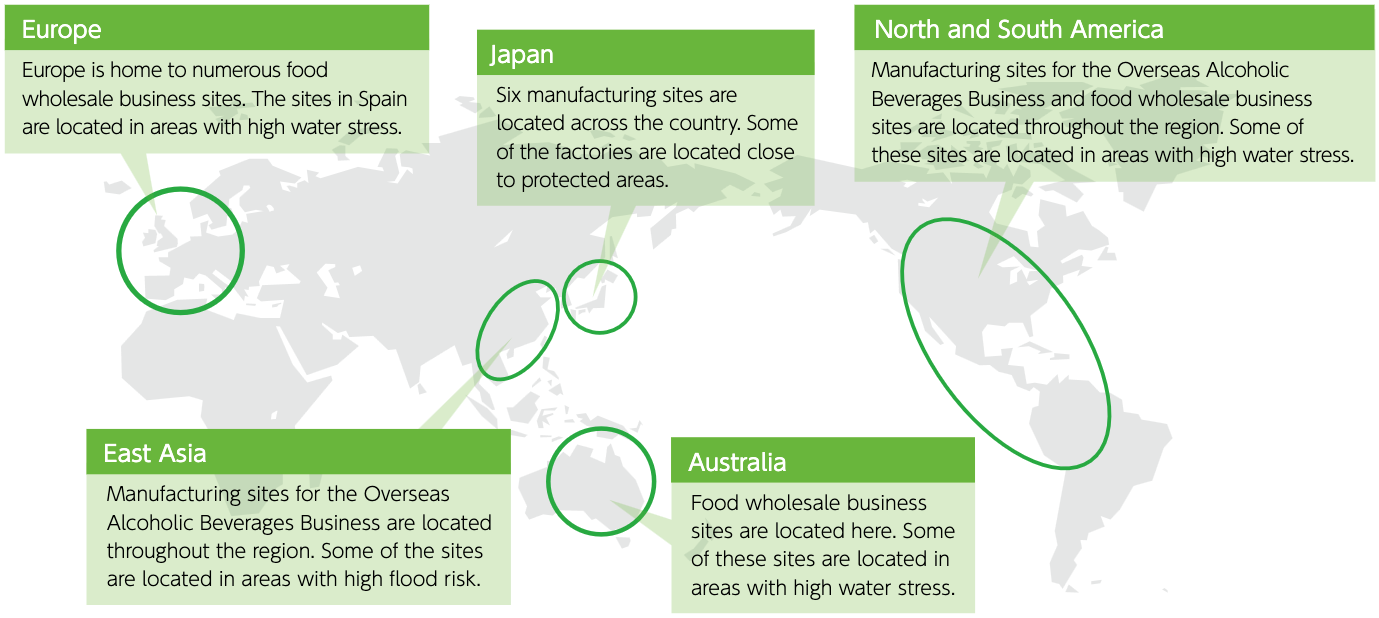
To identify areas where environmental assessment and action should be prioritized, we gathered location data for our 68 business sites (6 manufacturing sites in Japan, 7 Overseas Alcoholic Beverages business sites, and 55 Japanese Food Wholesale Business sites) and assessed the state of the natural environment in their surrounding areas. Assessments were conducted for each site using data*2 obtained from external tools and other sources, in accordance with the five criteria defined by the TNFD (importance for biodiversity, ecosystem integrity, rapid decline in ecosystem integrity, importance for ecosystem service provision, and physical water risks).
It has come to light that some of the alcoholic beverage manufacturing sites are located in areas that are important for biodiversity or have high water risk. It has therefore been determined that these sites should prioritize the reduction of environmental impact and implement measures to mitigate water risk.

Rice Production (Upstream on the Supply Chain)
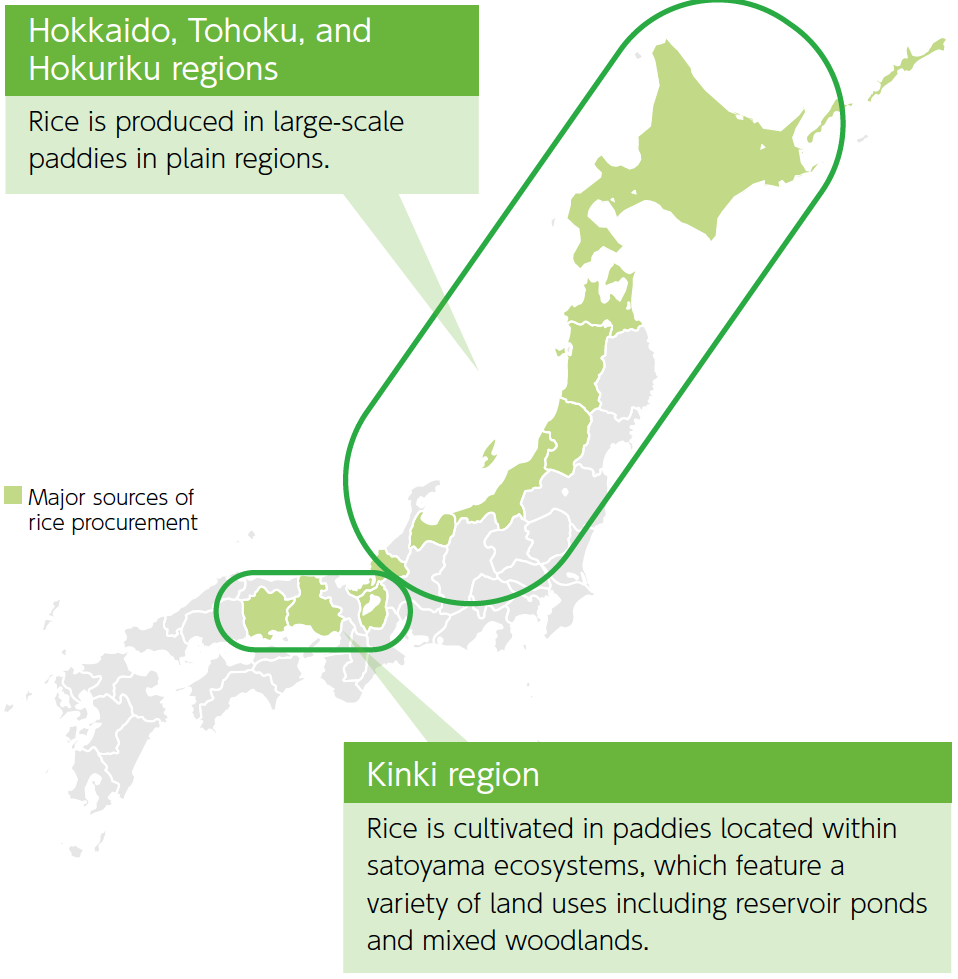
Major sources of rice procurement in Japan and the characteristics of the natural environment in those locations
When we organized the major domestic (Japanese) sources of the rice we procure by prefecture, we found that we procure significant amounts from the Hokkaido, Tohoku, and Hokuriku regions, which are among Japan’s leading rice-producing areas, as well as from the Kinki region. We used satellite imagery and other tools to pinpoint the locations of rice paddies in these areas to carry out our assessments. As was the case for direct operations, we used the TNFD’s five criteria for our assessment, also incorporating indicators*3 reflecting the “satoyama ecosystem,” and carried out an analysis while taking the natural characteristics of rural Japan into account.
The assessment results showed that in the Hokkaido, Tohoku, and Hokuriku regions, rice tends to be produced in paddy fields spread across vast plains. It is well known that the large-scale rice paddies in these regions form important habitats for waterfowl and other birds. In the Kinki region, on the other hand, rice tended to be cultivated in paddies located within “satoyama ecosystems,” which are made up of diverse environments including farmland, mixed woodlands, and reservoir ponds. Such “satoyama ecosystems” are considered important for the preservation of biodiversity in Japan because their diverse environments support a wide variety of species, resulting in high levels of biodiversity. It was therefore suggested that rice production in these areas might be important for the preservation of organisms inhabiting the satoyama.
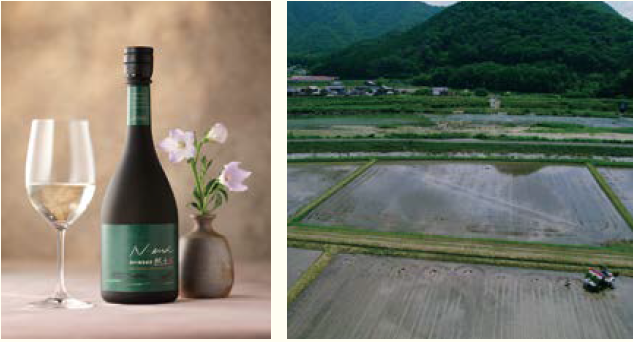
In fact, it has been confirmed that a large number of satoyama species inhabit the rice paddies in the Kinki region that are associated with the Group. The rice paddies in Kyoto Prefecture’s Nantan City—where Takara Shuzo runs its Farm School for elementary school students and their families—are surrounded by mixed woodlands, and many organisms can be observed there. The rice paddies in Hyogo Prefecture’s Nishiwaki City, where the Yamada Nishiki rice used in Sho Chiku Bai Shirakabegura Nend is cultivated, are located close to forests, reservoir ponds, and rivers that the prefecture has designated as protected areas. Many species are thought to inhabit these areas.
Based on these assessment results and other factors, while rice paddies in all regions from which we procure rice are important from a natural perspective, those in the Kinki region were judged to be of particularly high importance from the perspective of satoyama preservation.

| The rice paddies of Hyogo Prefecture’s Nishiwaki City, where the rice used in Sho Chiku Bai Shirakabegura Nend is cultivated |
|---|
|
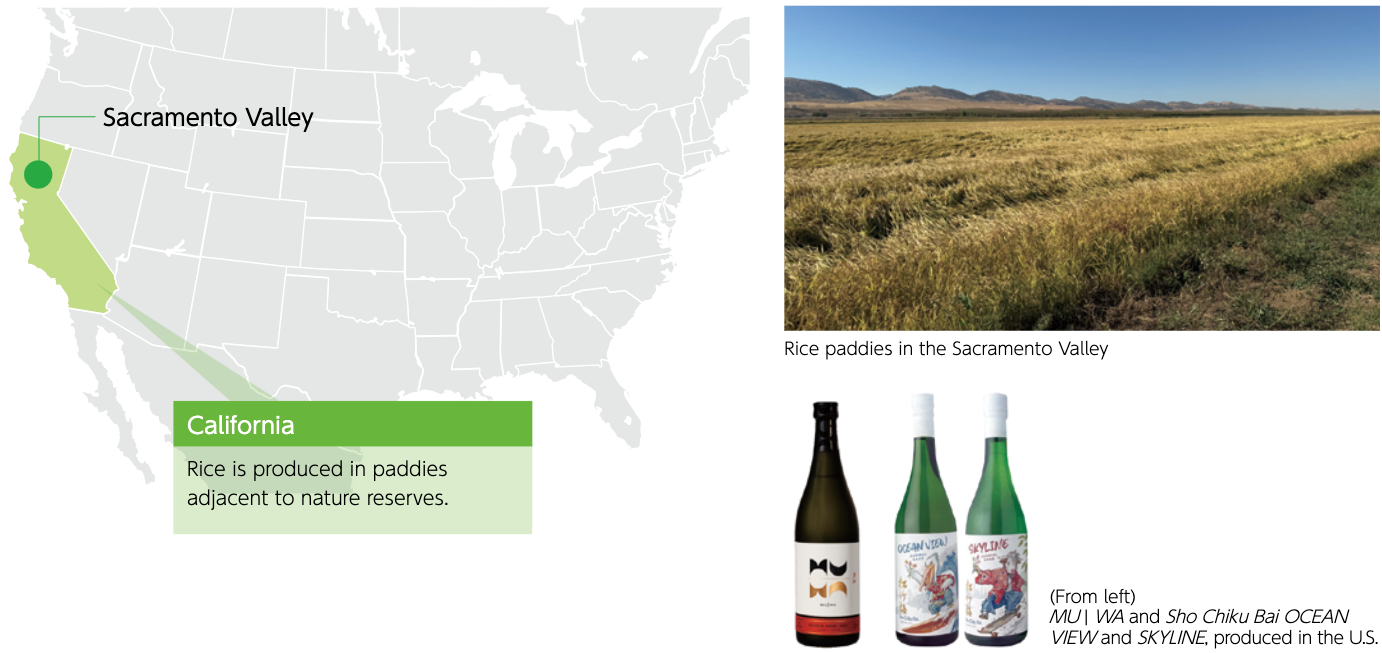
Takara Sake USA Inc. uses rice produced in California’s Sacramento Valley, one of the leading rice-producing regions in the United States, to brew its sake. Following the approach used for rice suppliers in Japan, we assessed the rice-growing regions in California in accordance with TNFD criteria to ascertain their potential importance for biodiversity preservation and their potential risk of water shortages.
Evaluate
We conducted a more detailed analysis of dependencies and impacts, drawing on the assessment results from the Scoping phase and the analysis results from the Locate phase.
In the directly operated alcoholic beverage manufacturing, it has been found that, because clean water is used, the impact of water resource use is significant, and there is a heavy dependence on ecosystem services such as water purification and flow regulation.
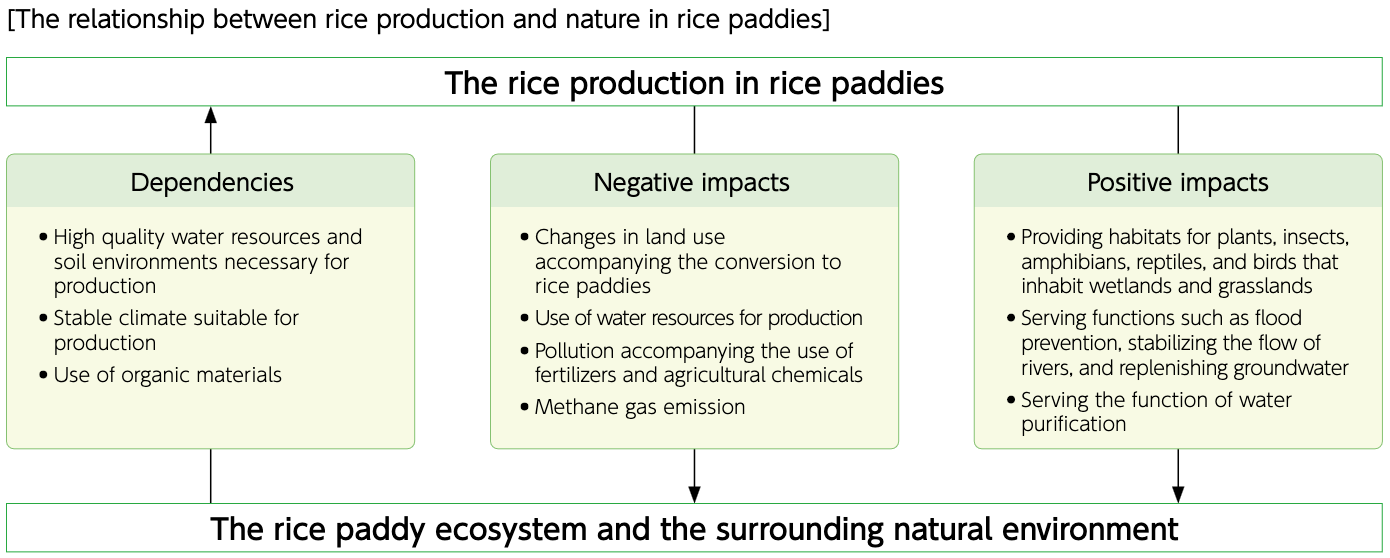
We have determined that rice cultivation, which is at the upstream end of the supply chain, involves issues such as land use associated with the conversion of farmland, pollution caused by fertilizers, and the use of water resources.
Furthermore, while aspects of rice production do negatively impact the environment, we have also determined that maintaining the environment of rice paddies has the potential to yield various positive effects on nature. Since rice paddies are kept flooded, they form valuable habitats for amphibians, reptiles, fish, aquatic insects, and birds that inhabit wetlands. The embankments and ridges between paddies also form valuable grassland habitats that are used by many plants and animals. Rice paddies are furthermore known to serve functions such as flood prevention, stabilizing the flow of rivers, and replenishing groundwater. Even taking into account the characteristics of the rice paddies at the procurement sites identified through the analysis in the Locate phase, these positive impacts were considered highly significant.
Assess
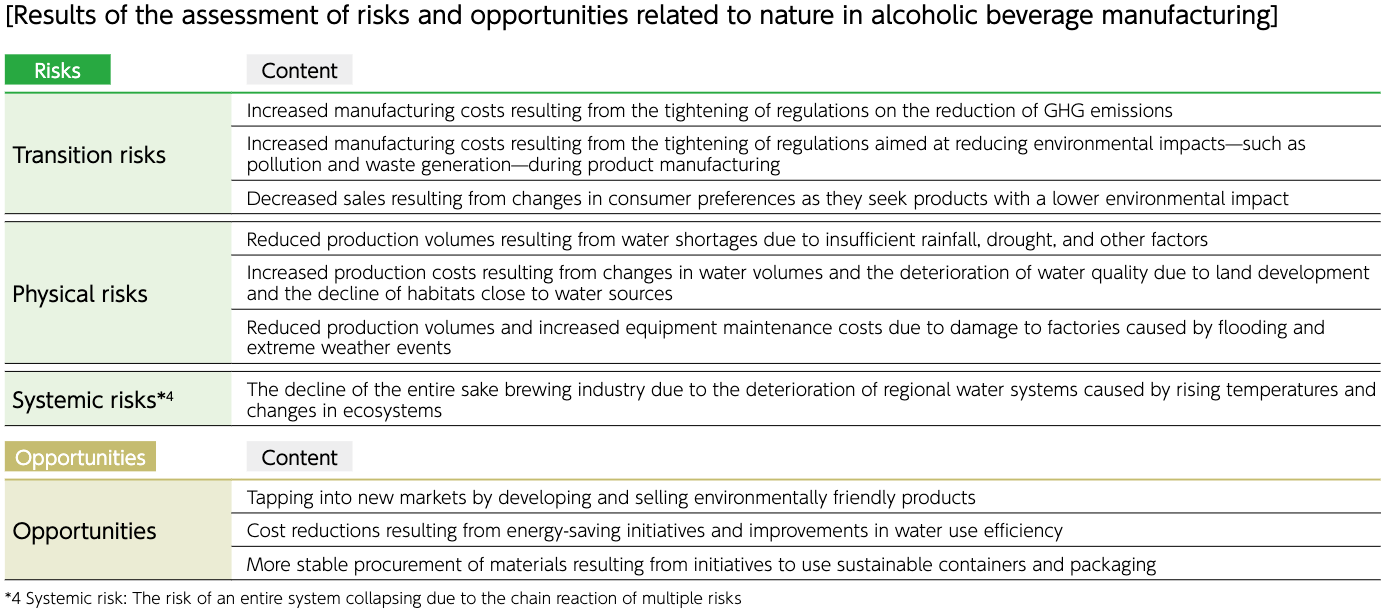
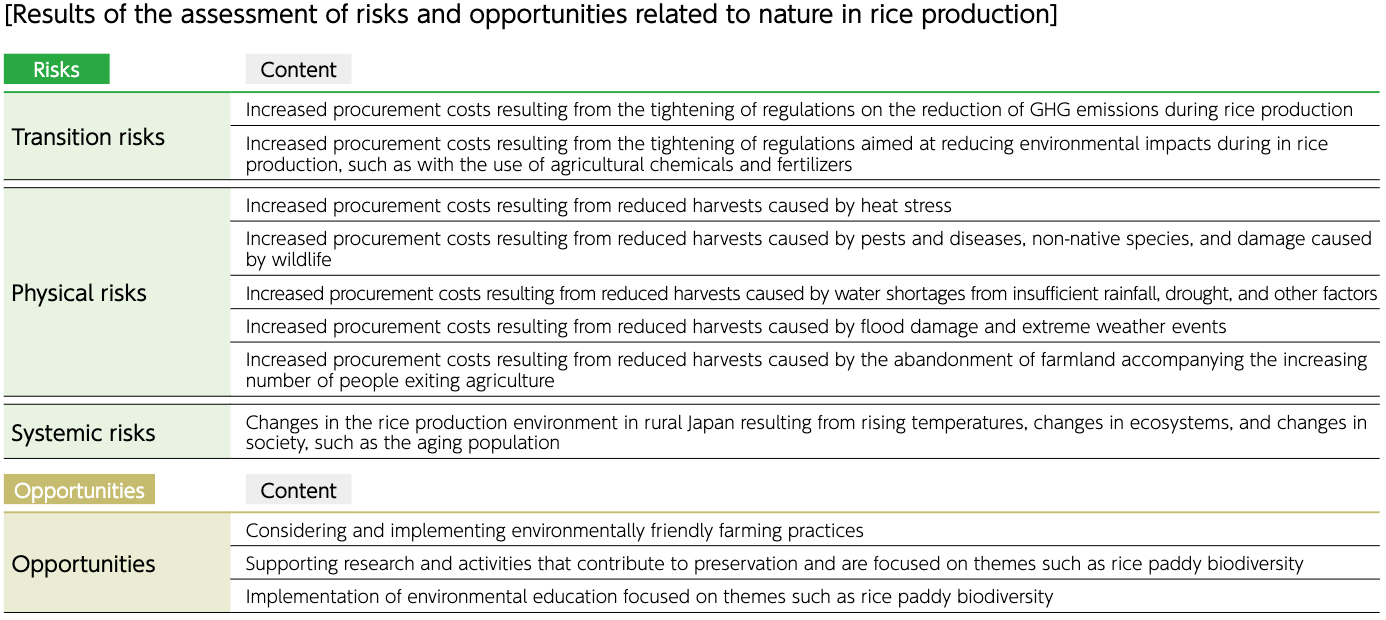
Given the dependence and impact on the natural environment in each region’s alcoholic beverage manufacturing and rice production—as assessed during the Locate and Evaluate phases—we examined the nature-related risks and opportunities associated with the businesses. We considered two scenarios: one in which market-based and regulatory measures to conserve natural capital are implemented, and another in which natural capital continues to degrade. Based on these scenarios, we conducted an analysis projecting changes in society and ecosystems regarding their dependence on and impact on nature. The risks and opportunities determined to be significant through scenario analysis are as follows.
Alcoholic Beverage Manufacturing (Direct Operation)
We found that there is a possibility of transition risks arising from tightened regulations and changes in consumer preferences, as well as physical risks such as water shortages caused by climate change and water quality deterioration due to ecosystem degradation. On the other hand, we confirmed the existence of business opportunities for tapping into new markets, such as the development and sale of sake made from rice grown using environmentally friendly farming methods.
Rice Production (Upstream on the Supply Chain)
We found that there is a possibility of transition risks arising from tightened regulations as well as physical risks such as declines in yield caused by climate change. On the other hand, we have confirmed opportunities for us in implementing environmentally friendly farming practices, supporting research and activities aimed at preserving biodiversity in rice paddies, gathering insights gained through such research and activities for both the Company and society as a whole, and developing environmental education.
Prepare
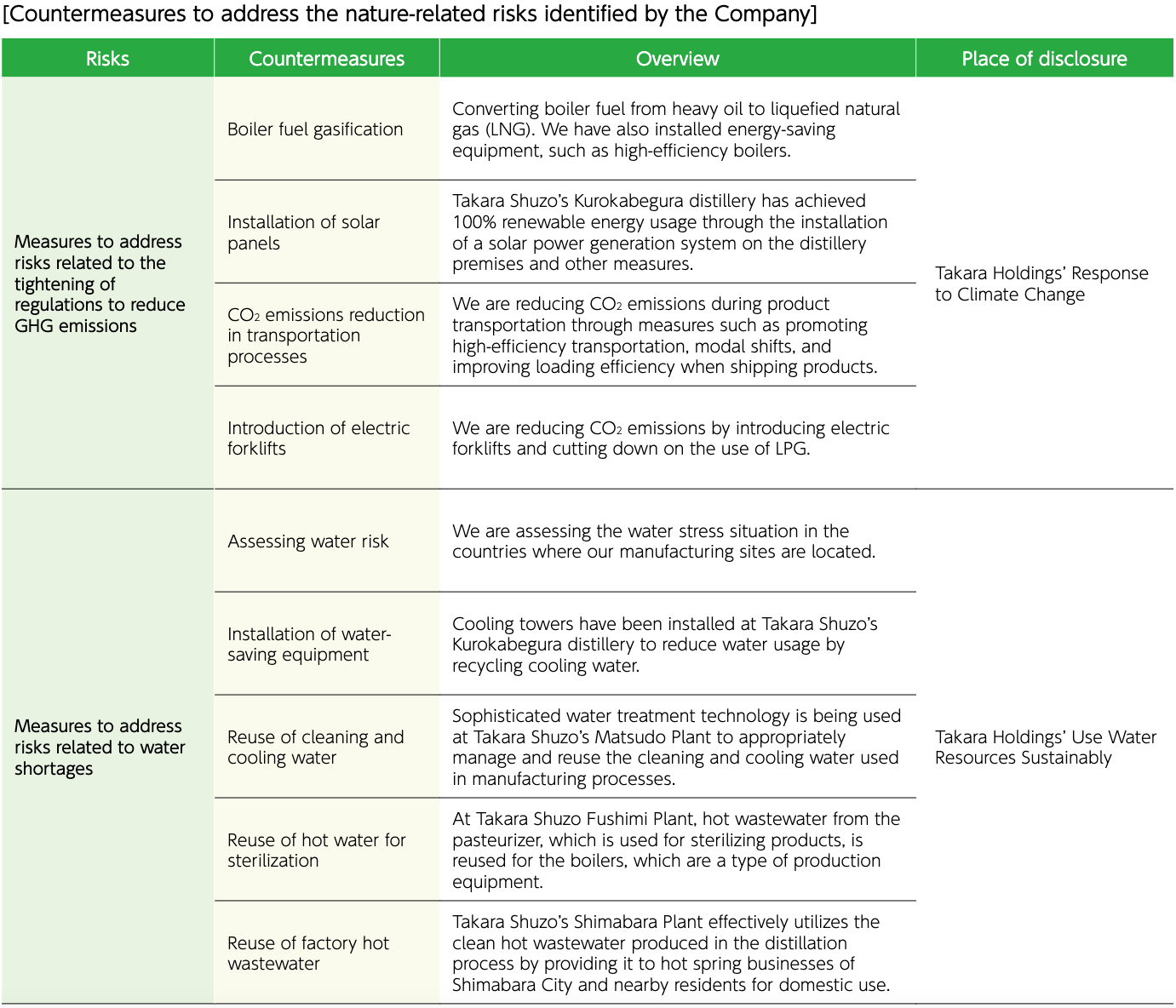
The Company responds to the risks and opportunities identified in this analysis through a variety of countermeasures and initiatives.
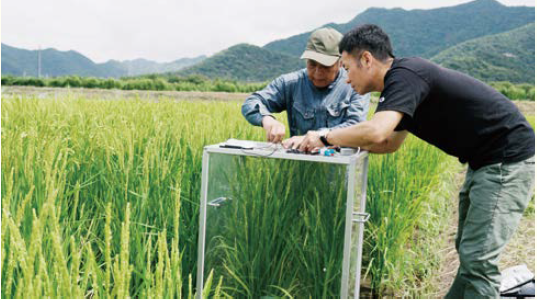
| Environmentally friendly initiatives related to Sho Chiku Bai Shirakabegura Nend |
|---|
|
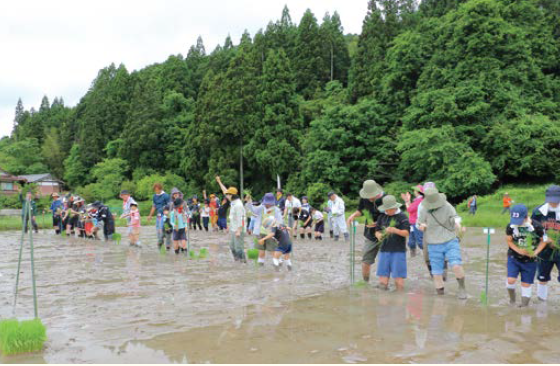
| Takara Shuzo Farm School |
|---|
|
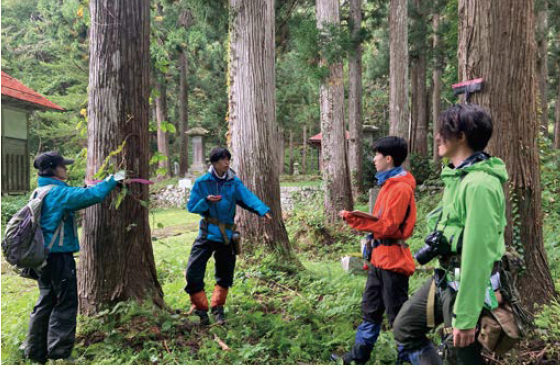
| The Takara Harmonist Fund |
|---|
Such funding is, however, severely lacking. This situation is recognized as an issue both in Japan and internationally, as evidenced by the “Kunming-Montreal Global Biodiversity Framework,” adopted at the Conference of the Parties (COP-15) to the Convention on Biological Diversity in December 2022, which includes a target (Target 19) to direct funding toward biodiversity preservation. Consequently, the importance of funding is expected to grow in the future. |
Metrics and Targets
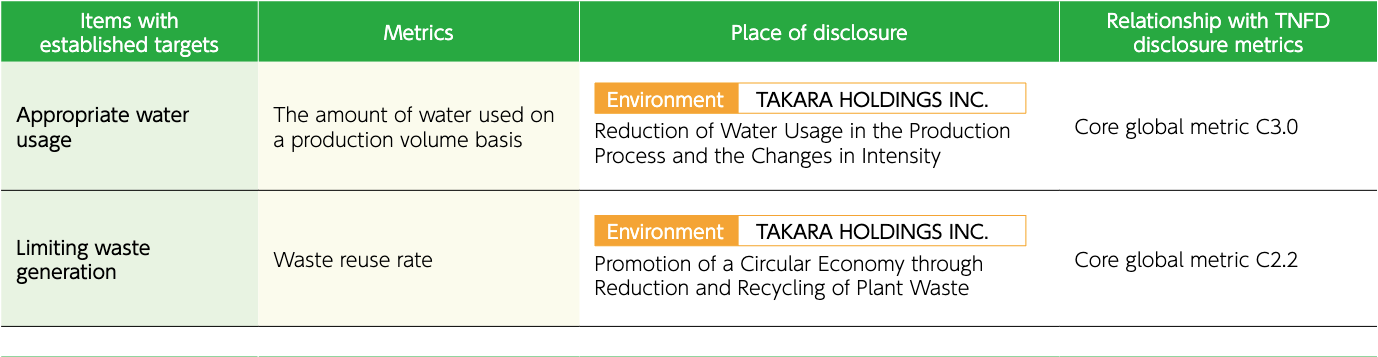
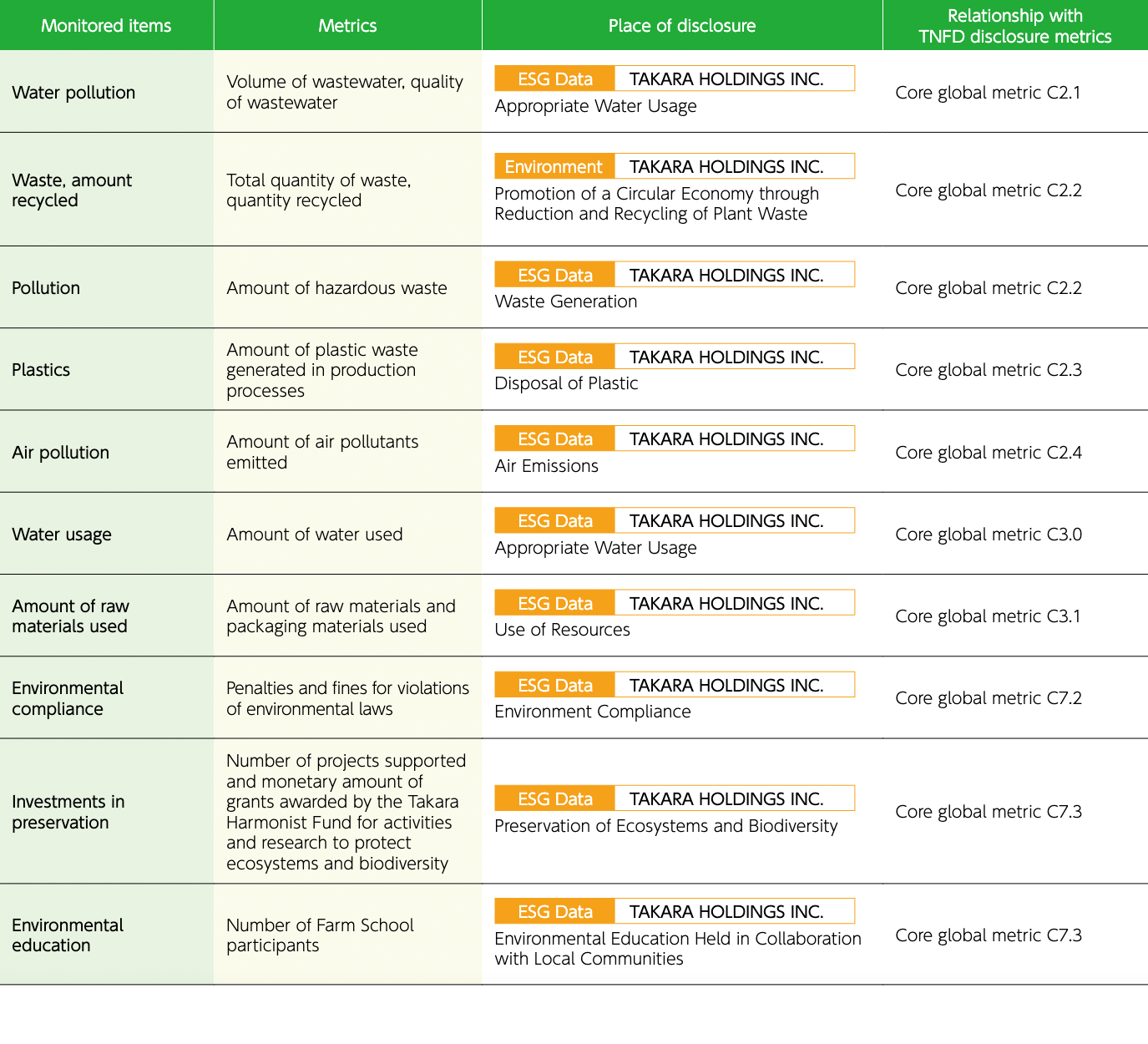
The Group monitors its environmental performance and sets targets, many of which are aligned with TNFD disclosure metrics.